First Sniffs Matter More Than You Think
When your baby comes home, your pet notices the smell first. Before your dog sees tiny fingers or hears soft cries, they sniff. That sniff tells them everything feels new, strange, and important. You might focus on first impressions like sight and sound. Your pet lives in a different sensory world. Smell is their version of reading a full biography. Baby clothes carry powerful information. Laundry soap, hospital air, skin scent, and new fabrics all mix together. To your pet, this scent cocktail screams change. You can help shape this moment gently. Let your pet investigate baby items before introductions. Blankets, socks, and onesies help bridge familiarity.
Why Onesies Play a Big Role
A onesie is more than an outfit to your pet. It is a portable scent message moving around the house. Your pet follows that message closely. Soft cotton absorbs smell easily. That makes a onesie perfect for gradual scent sharing. You can place it near your pet’s bed. This quiet exposure builds comfort. Your pet learns the baby scent equals safety. No sudden surprises are needed. Avoid overwhelming your pet with multiple new smells. Stick to one clean, familiar onesie at first. Consistency helps pets relax faster. You are not rushing a friendship. You are letting curiosity bloom naturally.
Curiosity Beats Fear Every Time
Pets are not usually jealous right away. They are curious and cautious instead. Fear happens when curiosity feels unsafe. Let your pet sniff without pressure. Do not push them closer or force contact. Your calm energy sets the tone. Praise relaxed behavior softly. A quiet “good job” works wonders. Avoid loud excitement during introductions. Pets read your emotions carefully. If you act stressed, they worry. If you stay calm, they stay curious. Curiosity leads to acceptance. Acceptance leads to companionship.
How to Make the First Sniff Successful
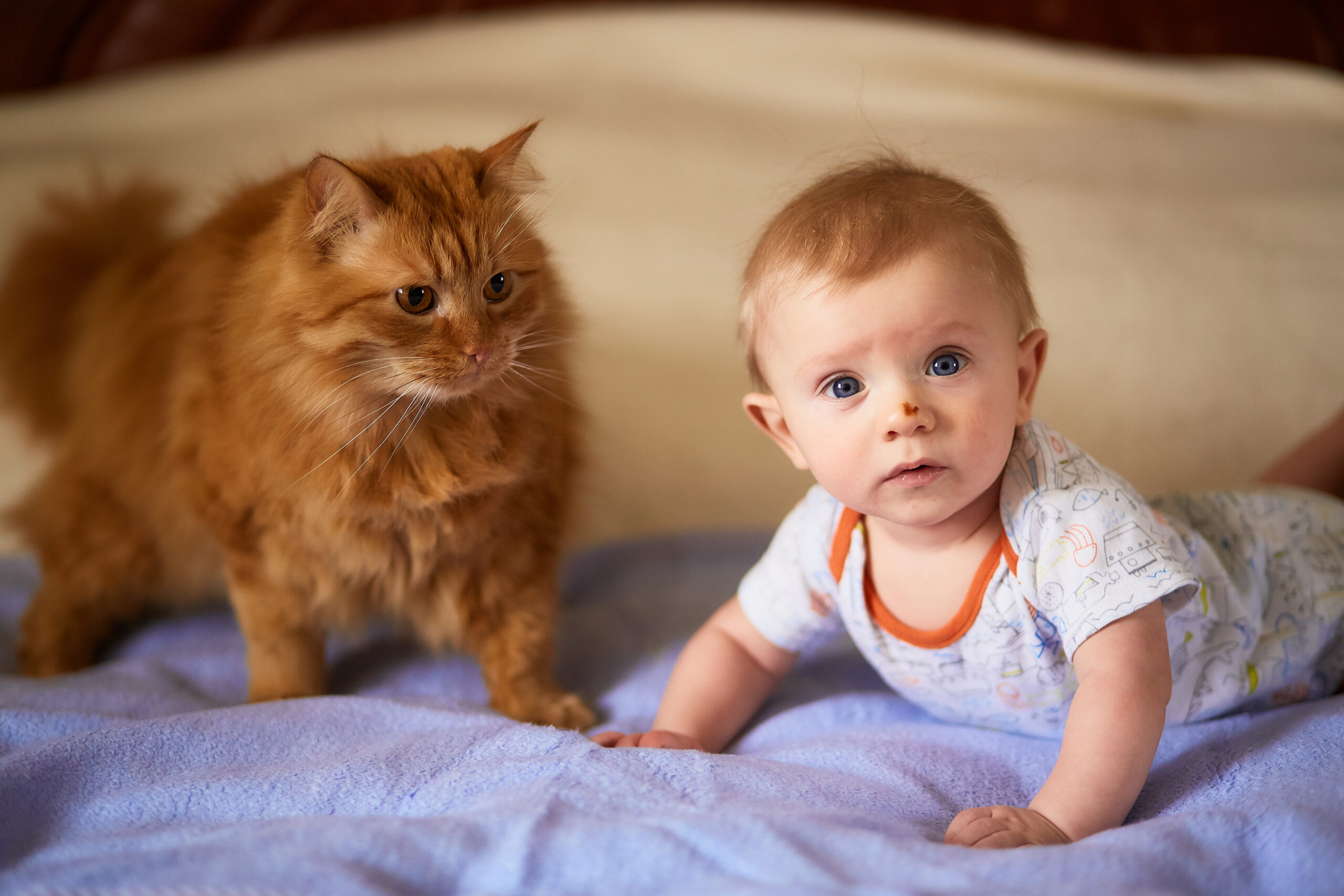
Timing matters more than perfection. Choose a calm moment, not a chaotic one. Your pet should feel secure and relaxed. Hold the baby at a safe distance. Let the pet approach on their own terms. Sniffing should never feel forced. A onesie helps keep boundaries clear. Your pet smells the baby without touching skin. This creates comfort for everyone involved. Keep sessions short and positive. Multiple small interactions work better than one long meeting. You build trust step by step. End on a good note. Reward your pet with praise or a treat. Positive endings shape future behavior.
First Impressions Are Built Over Time
Pets do not decide everything instantly. They collect information slowly. Every sniff adds context. Your baby will smell different each day. Milk, soap, and home scents will evolve. Pets notice these changes closely. Onesies help keep scent transitions gentle. They soften sharp changes with familiarity. That consistency builds emotional safety. You might not notice the process working. Your pet does. Their relaxed posture tells the story. Before you realize it, comfort replaces curiosity. Your pet accepts the baby as family. That first sniff started everything.
A Gentle Beginning Sets the Future
You do not need perfect introductions. You need patient ones. Pets appreciate your effort more than you think. Let the first sniff happen naturally. Trust your pet’s instincts. They usually want harmony too. A simple onesie can help guide the moment. It carries scent, comfort, and familiarity. Small details create big emotional shifts. You are building a new family dynamic. Every calm sniff matters. The journey begins quietly, nose first. 🐾👶
Why Clothing Smells Matter to Pets

Pets Experience the World Through Their Noses
You rely on sight and sound to understand your surroundings. Your pet relies on smell more than anything else. Dogs have up to 300 million scent receptors. Humans have about six million. Cats also have a powerful sense of smell. They use it to detect safety, territory, and emotional changes. When something new enters your home, scent sends the first signal. Your pet does not need explanations. They sniff to understand what changed. Smell tells your pet who belongs. It also tells them who does not. That is why scent matters so much during big family changes.
Clothing Carries Concentrated Scent Information
Clothing absorbs scent more than skin or furniture. Fabric traps oils, particles, and environmental smells. Baby clothes are especially scent-rich. They carry skin scent, milk, detergent, and new-fabric chemicals. To your pet, clothing is a scent data file. Each sniff provides layered information.
Your pet learns:
- Who this scent belongs to
- How often it appears
- Whether it feels threatening or familiar
Onesies act like mobile scent carriers. They move through rooms and routines. That repeated exposure helps your pet build scent recognition. Recognition leads to emotional neutrality. Neutral scents feel safe.
How the Brain Processes Scent in Pets
Smell connects directly to the limbic system. That part of the brain controls emotion and memory. Pets do not think through scent logically. They feel it emotionally. A familiar smell can lower stress quickly. An unfamiliar smell can trigger alertness. This happens automatically. Your pet is not choosing their reaction. When clothing smells consistent, the brain relaxes. When scent changes suddenly, stress hormones increase. That is why gradual scent exposure matters. It gives the brain time to adjust. Clothing helps regulate that adjustment.
Why Soft Fabrics Matter More Than You Expect
Fabric texture affects how scent releases. Soft cotton releases scent slowly over time. Synthetic fabrics can trap or release scent unevenly. That inconsistency can confuse pets. Natural fibers create predictable scent patterns. Predictability equals safety in the animal brain. This is why many pets prefer sleeping on worn clothing. They trust familiar textures and smells. A soft onesie provides both. It smells familiar and feels non-threatening. That combination lowers defensive responses.
Detergents and Added Scents Can Interfere
Strong detergents introduce artificial smells. These smells are intense to pets. What smells “fresh” to you may smell overwhelming to them. Pets can detect fragrance chemicals easily. Artificial scents mask natural ones. That makes recognition harder for your pet. Unscented or mild detergents help preserve natural scent cues. This supports faster adjustment. Your pet wants clarity, not confusion.
How Repeated Exposure Builds Emotional Stability
Pets learn through repetition. The brain creates familiarity through frequency. Seeing and smelling the same clothing daily matters. It creates predictability. Predictability reduces anxiety responses. Your pet stops scanning for threats. Instead, the scent becomes background information. Background information feels safe. That safety allows curiosity to replace caution. Curiosity opens the door to bonding.
Why This Matters Long-Term
Early scent experiences shape future behavior. Pets remember emotional scent associations. If early exposure feels calm, future interactions improve. If early exposure feels stressful, tension can linger. Clothing helps control that first association. It acts as a buffer between change and comfort. You are not forcing a relationship. You are letting biology do the work.
Science Supports Gentle Transitions
Animal behavior research shows gradual exposure reduces stress. This applies to scent, sound, and routine changes. Clothing offers a simple exposure tool. No training is required. You use science without thinking about it. Your pet benefits immediately. Smell is not just a sense. It is communication. When you respect how pets interpret scent, harmony follows. A onesie may look small, but its impact is real. You are helping your pet understand change safely. That understanding builds a calmer home for everyone. 🐾👶